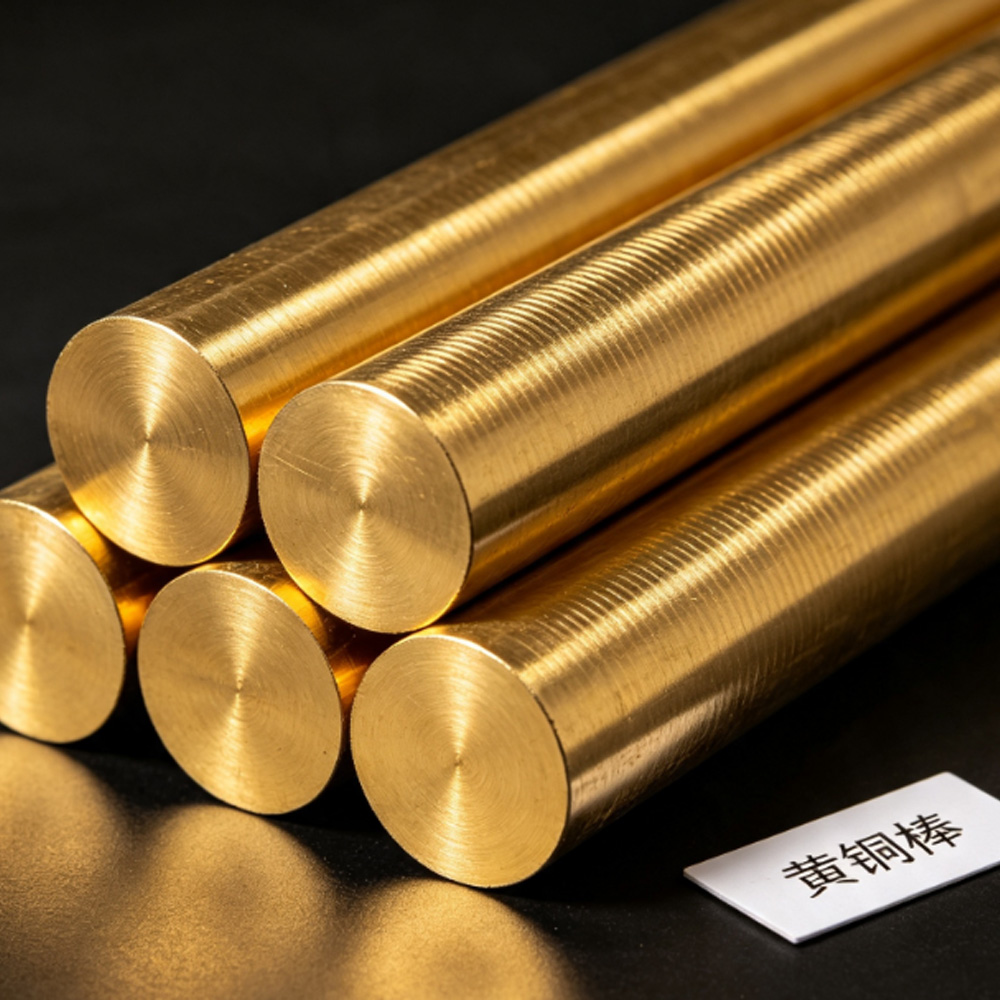
Brass is an alloy of copper and zinc, and the simplest brass is a copper zinc binary alloy, known as simple brass or ordinary brass. Changing the zinc content in brass can result in brass with different mechanical properties. The higher the zinc content in brass, the higher its strength and slightly lower its plasticity.
Brass is a type of alloy composed of two or more elements, known as special brass. Copper alloys composed of lead, tin, manganese, nickel, iron, and silicon. Brass has strong wear resistance. Special brass, also known as special brass, has high strength, high hardness, and strong chemical corrosion resistance. The mechanical properties of cutting processing are also quite outstanding.
Main classification of brass
Lead brass
Lead is actually insoluble in brass and is distributed as free particles at grain boundaries. Lead brass can be classified into two types based on its structure: alpha and (α β). Alpha lead brass can only undergo cold deformation or hot extrusion due to the significant harmful effects of lead and low high-temperature plasticity. (α β) lead brass has good plasticity at high temperatures and can be forged.
Tin brass
Adding tin to brass can significantly improve the heat resistance of the alloy, especially its ability to resist seawater corrosion, hence tin brass is known as "naval brass".
Tin can dissolve into copper based solid solutions and play a role in solid solution strengthening. However, with the increase of tin content, brittle r-phase (CuZnSn compound) will appear in the alloy, which is not conducive to the plastic deformation of the alloy. Therefore, the tin content of tin brass is generally in the range of 0.5% to 1.5%.
Commonly used tin brass includes HSn70-1, HSn62-1, HSn60-1, etc. The former is an alpha alloy with high plasticity, which can be processed by cold and hot pressure. The latter two grades of alloys have a (α β) two-phase structure and often contain a small amount of r-phase. They have low room temperature plasticity and can only deform in the hot state.
Manganese brass
Manganese has a high solubility in solid brass. Adding 1% to 4% manganese to brass can significantly improve the strength and corrosion resistance of the alloy without reducing its plasticity.
Manganese brass has a (α β) structure, with HMn58-2 being commonly used. It has excellent pressure processing performance in both cold and hot states.
Iron brass
In iron yellow copper, iron precipitates as rich iron phase particles, which act as crystal nuclei to refine grains and prevent the growth of recrystallized grains, thereby improving the mechanical and process properties of the alloy. The iron content in iron brass is usually below 1.5%, and its structure is (α β), with high strength and toughness. It has good plasticity at high temperatures and can also deform in the cold state. The commonly used brand is Hfe59-1-1.
Nickel brass
Nickel and copper can form a continuous solid solution, significantly expanding the alpha phase region. Adding nickel to brass can significantly improve its corrosion resistance in both atmospheric and seawater environments. Nickel can also increase the recrystallization temperature of brass, promoting the formation of finer grains.
HNi65-5 nickel brass has a single-phase alpha structure and good plasticity at room temperature. It can also deform in a hot state, but the content of impurity lead must be strictly controlled, otherwise it will seriously deteriorate the hot working performance of the alloy.
Shenzhen Yongtai'an Metal Materials Co., Ltd. is a large-scale high-quality supplier of imported tellurium copper, tellurium copper rods, brass rods, purple copper wires, purple copper bars, and shaped copper raw materials in southern China. It is selling hot in Guangdong, Shenzhen, Dongguan, Huizhou, Guangzhou, Jiangsu and other regions.
|
Brand (Japan) |
Copper Cu |
Lead Pb |
Iron Fe |
Antimony Sb |
Cadmium Cd |
Aluminum Al |
Bismuth Bi |
Phosphorus P |
Iron tin Fe Sn |
Zinc Zn |
|
C3601 |
59-63 |
1.8-3.7 |
≤0.3 |
- |
≤0.01 |
- |
- |
- |
≤0.5 |
margin |
|
C3602 |
59-63 |
1.8-3.7 |
≤0.5 |
- |
≤0.01 |
- |
- |
- |
≤1.2 |
margin |
|
C3603 |
57-61 |
1.8-3.7 |
≤0.35 |
- |
≤0.01 |
- |
- |
- |
≤0.6 |
margin |
|
C3604 |
57-61 |
1.8-3.7 |
≤0.5 |
- |
≤0.01 |
- |
- |
- |
≤1.2 |
margin |
|
C36000 |
60-63 |
2.5-3.7 |
≤0.35 |
- |
≤0.01 |
- |
- |
- |
- |
margin |
|
HPB59-1 |
57-60 |
0.8-1.9 |
≤0.5 |
≤0.01 |
- |
≤0.2 |
≤0.003 |
≤0.02 |
- |
margin |
|
H62 |
60.5-63.5 |
≤0.08 |
≤0.15 |
≤0.005 |
- |
- |
≤0.002 |
≤0.01 |
- |
margin |
|
H65 |
63.5-68 |
≤0.03 |
≤0.1 |
≤0.005 |
- |
- |
≤0.002 |
≤0.01 |
- |
margin |
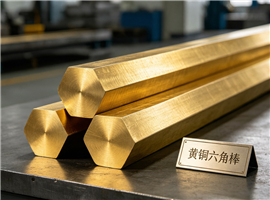
Brass hexagonal bars have high strength and plasticity, and can withstand cold and hot pressure processing well, with a tendency towards corrosion and cracking.
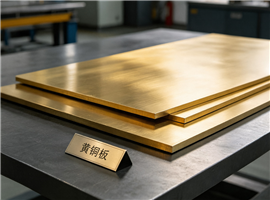
Yellow copper plate is an alloy plate of copper and zinc. The simplest yellow copper plate is a copper zinc binary alloy, called simple brass or ordinary brass. Changing the zinc content in brass can result in brass with different mechanical properties. T
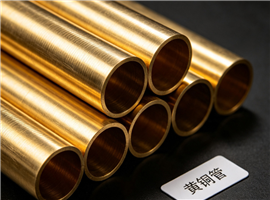
Brass tube is an alloy of copper and zinc, and the simplest brass is a copper zinc binary alloy, called simple brass or ordinary brass. Changing the zinc content in brass can result in brass with different mechanical properties. The higher the zinc conten
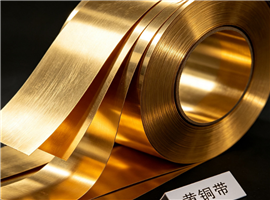
Brass strip is an alloy of copper and zinc, and the simplest brass is a copper zinc binary alloy, called simple brass strip or ordinary brass strip. Changing the zinc content in brass can result in brass with different mechanical properties. The higher th
Submitted successfully! We will contact you shortly.

 Chinese
 English