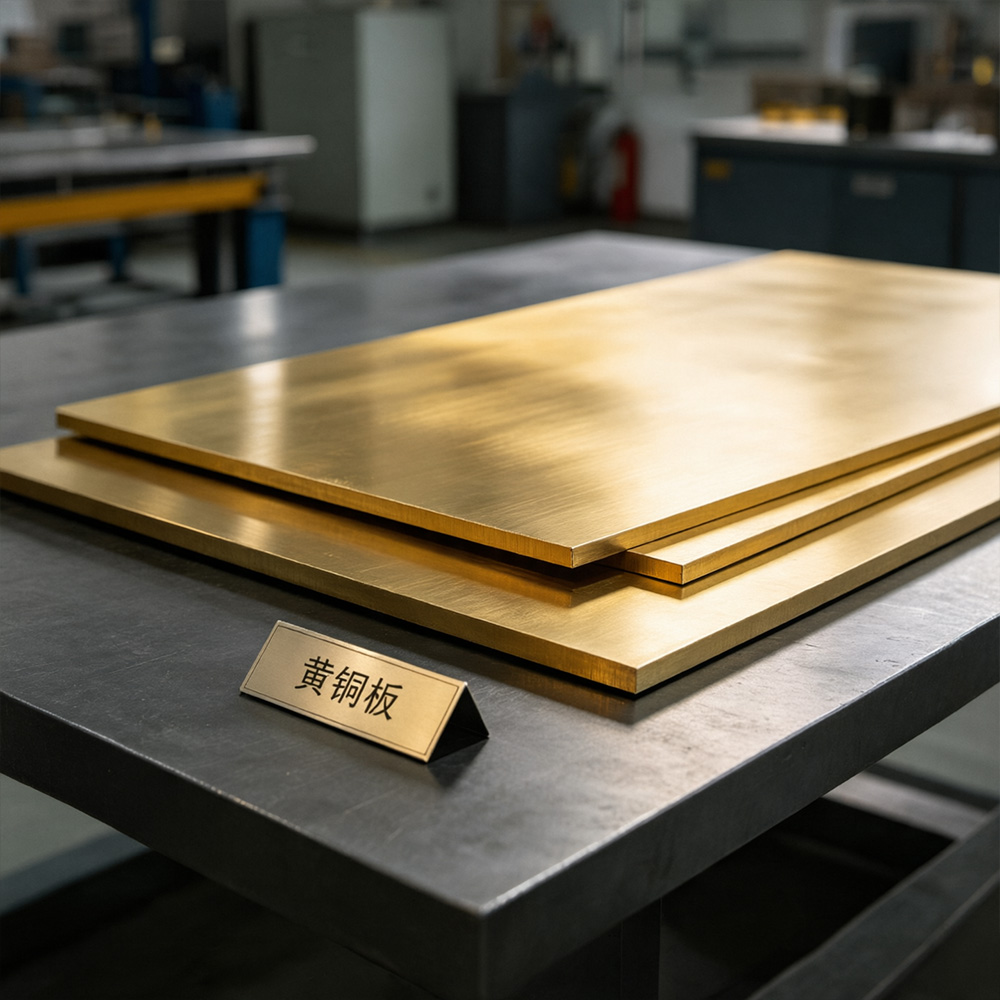
Yellow copper plate is an alloy plate of copper and zinc. The simplest yellow copper plate is a copper zinc binary alloy, called simple brass or ordinary brass. Changing the zinc content in brass can result in brass with different mechanical properties. The higher the zinc content in the brass plate, the higher its strength and slightly lower its plasticity.
Yellow copper plate is a type of alloy composed of two or more elements, which is called a special yellow copper plate. A copper alloy plate composed of lead, tin, manganese, nickel, iron, and silicon. Brass has strong wear resistance. Special brass, also known as special brass, has high strength, high hardness, and strong chemical corrosion resistance. The mechanical properties of cutting processing are also quite outstanding.
Yellow copper plate is a widely used lead brass with good mechanical properties and good machinability. It can withstand cold and hot pressure processing and is used for various structural parts such as gaskets and bushings in cutting and stamping processes. Tin yellow copper plate has high corrosion resistance, good mechanical properties, and good pressure processing performance in cold and hot states. It can be used for corrosion-resistant parts on ships, as well as parts and conduits in contact with steam, oil and other media.
characteristics
Brass is an alloy of copper and zinc. The simplest brass is a copper zinc binary alloy, known as simple brass or ordinary brass. Changing the zinc content in brass can result in brass with different mechanical properties. The higher the zinc content in brass, the higher its strength and slightly lower its plasticity. Brass used in industry has a zinc content of no more than 45%. Any higher zinc content will result in brittleness and deteriorate the alloy's properties. In order to improve certain properties of brass, brass with other alloy elements added on the basis of one element brass is called special brass. Common alloying elements include silicon, aluminum, tin, lead, manganese, iron, and nickel. Adding aluminum to brass can improve its yield strength and corrosion resistance, while slightly reducing its plasticity. Brass containing less than 4% aluminum has excellent comprehensive properties such as processing and casting. Adding 1% tin to brass can significantly improve its resistance to seawater and marine atmospheric corrosion, hence it is called "naval brass". Tin can also improve the cutting performance of brass. The main purpose of adding lead to brass is to improve machinability and wear resistance, and lead has little effect on the strength of brass. Manganese brass has good mechanical properties, thermal stability, and corrosion resistance; Adding aluminum to manganese brass can also improve its performance and result in castings with a smooth surface. Brass can be divided into two types of products: casting and pressure processing.
Shenzhen Yongtai'an Metal Materials Co., Ltd. is a large-scale high-quality supplier of imported tellurium copper, tellurium copper rods, brass plates, purple copper wires, purple copper bars, and shaped copper raw materials in southern China. It is selling hot in Guangdong, Shenzhen, Dongguan, Huizhou, Guangzhou, Jiangsu and other regions.
|
Brand (Japan) |
Copper Cu |
Lead Pb |
Iron Fe |
Antimony Sb |
Cadmium Cd |
Aluminum Al |
Bismuth Bi |
Phosphorus P |
Iron tin Fe Sn |
Zinc Zn |
|
C3601 |
59-63 |
1.8-3.7 |
≤0.3 |
- |
≤0.01 |
- |
- |
- |
≤0.5 |
margin |
|
C3602 |
59-63 |
1.8-3.7 |
≤0.5 |
- |
≤0.01 |
- |
- |
- |
≤1.2 |
margin |
|
C3603 |
57-61 |
1.8-3.7 |
≤0.35 |
- |
≤0.01 |
- |
- |
- |
≤0.6 |
margin |
|
C3604 |
57-61 |
1.8-3.7 |
≤0.5 |
- |
≤0.01 |
- |
- |
- |
≤1.2 |
margin |
|
C36000 |
60-63 |
2.5-3.7 |
≤0.35 |
- |
≤0.01 |
- |
- |
- |
- |
margin |
|
HPB59-1 |
57-60 |
0.8-1.9 |
≤0.5 |
≤0.01 |
- |
≤0.2 |
≤0.003 |
≤0.02 |
- |
margin |
|
H62 |
60.5-63.5 |
≤0.08 |
≤0.15 |
≤0.005 |
- |
- |
≤0.002 |
≤0.01 |
- |
margin |
|
H65 |
63.5-68 |
≤0.03 |
≤0.1 |
≤0.005 |
- |
- |
≤0.002 |
≤0.01 |
- |
margin |
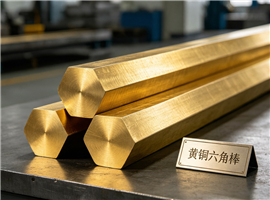
Brass hexagonal bars have high strength and plasticity, and can withstand cold and hot pressure processing well, with a tendency towards corrosion and cracking.
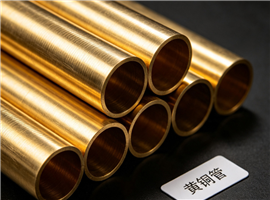
Brass tube is an alloy of copper and zinc, and the simplest brass is a copper zinc binary alloy, called simple brass or ordinary brass. Changing the zinc content in brass can result in brass with different mechanical properties. The higher the zinc conten
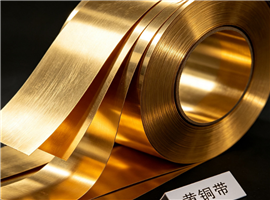
Brass strip is an alloy of copper and zinc, and the simplest brass is a copper zinc binary alloy, called simple brass strip or ordinary brass strip. Changing the zinc content in brass can result in brass with different mechanical properties. The higher th
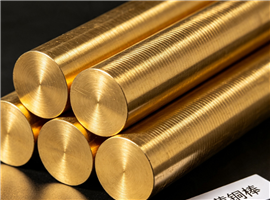
Brass is an alloy of copper and zinc, and the simplest brass is a copper zinc binary alloy, known as simple brass or ordinary brass. Changing the zinc content in brass can result in brass with different mechanical properties. The higher the zinc content i
Submitted successfully! We will contact you shortly.

 Chinese
 English