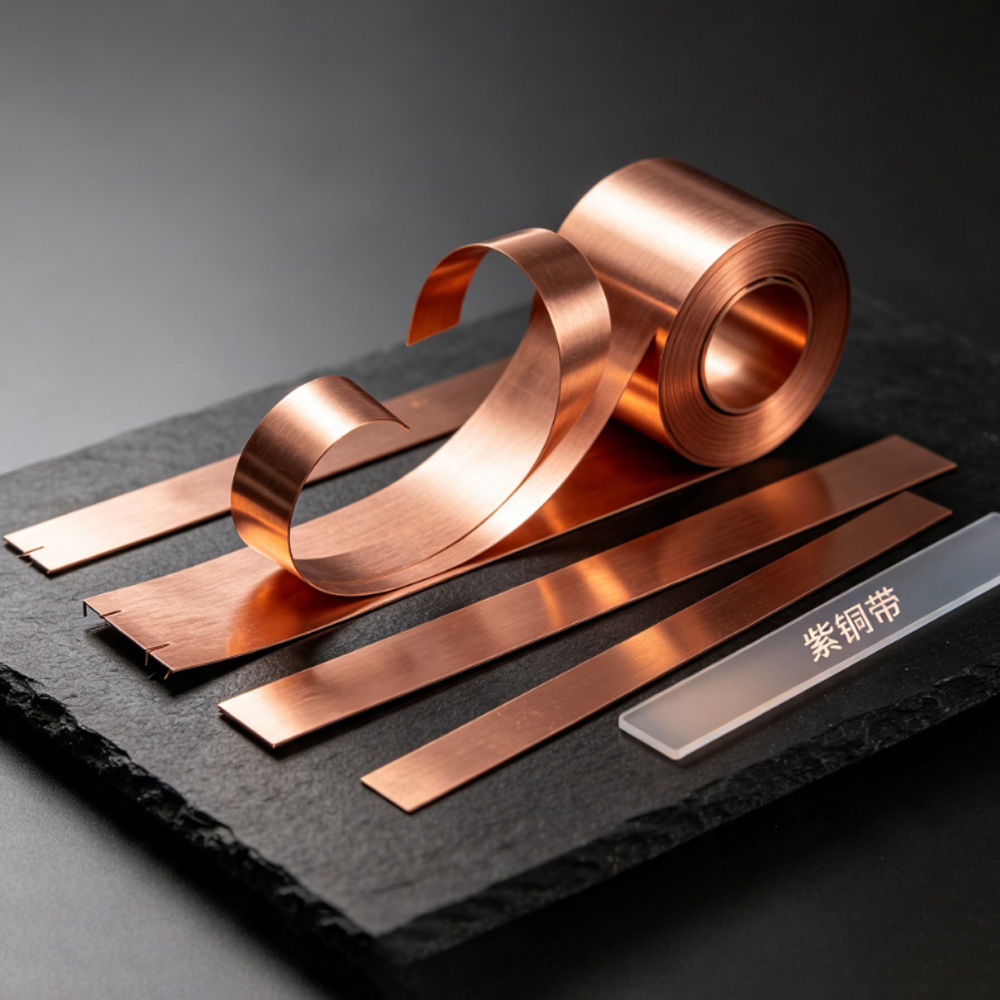
Purple copper strip, also known as red copper strip, is a single element of copper, named after its purple red color. Various properties can be found in copper. Purple copper strip is industrial pure copper with a melting point of 1083 ℃, no isotopic transformation, and a relative density of 8.9, which is five times that of magnesium. The mass of the same volume is about 15% heavier than ordinary steel.
Purple copper is generally called purple copper because it has a rose red color and a purple color after forming an oxide film on its surface. It is copper containing a certain amount of oxygen, hence also known as oxygen-containing copper.
Performance of purple copper strip:
1、 Ordinary performance
Purple copper strip is a relatively pure type of copper, which can generally be approximated as pure copper. It has good conductivity and plasticity, but its strength and hardness are relatively poor. Copper has excellent thermal conductivity, ductility, and corrosion resistance. The trace impurities in copper have a serious impact on its conductivity and thermal conductivity. Among them, titanium, phosphorus, iron, silicon, etc. significantly reduce conductivity, while cadmium, zinc, etc. have little effect. The solid solubility of sulfur, selenium, tellurium, etc. in copper is very low, and they can form brittle compounds with copper, which has little effect on conductivity but can reduce processing plasticity.
Copper has good corrosion resistance in the atmosphere, seawater, certain non oxidizing acids (hydrochloric acid, dilute sulfuric acid), alkalis, salt solutions, and various organic acids (acetic acid, citric acid), and is used in the chemical industry. In addition, copper has good weldability and can be processed into various semi-finished and finished products through cold and hot plastic processing. In the 1970s, the production of purple copper exceeded the total production of other types of copper alloys.
2、 Physical performance
The trace impurities in the copper strip have a serious impact on the conductivity and thermal conductivity of copper. Among them, titanium, phosphorus, iron, silicon, etc. significantly reduce conductivity, while cadmium, zinc, etc. have little effect. The solid solubility of oxygen, sulfur, selenium, tellurium, etc. in copper is very low, and they can form brittle compounds with copper, which has little effect on conductivity but can reduce processing plasticity. When ordinary copper is heated in a reducing atmosphere containing hydrogen or carbon monoxide, hydrogen or carbon monoxide easily reacts with cuprous oxide (Cu2O) at grain boundaries, producing high-pressure water vapor or carbon dioxide gas, which can cause copper to fracture. This phenomenon is often referred to as the "hydrogen disease" of copper. Oxygen is harmful to the weldability of copper. Bismuth or lead forms low melting point eutectic with copper, causing copper to become thermally brittle; When brittle bismuth is distributed in a thin film at grain boundaries, it causes copper to become cold brittle. Phosphorus can significantly reduce the conductivity of copper, but it can improve the fluidity of copper liquid and enhance weldability. Moderate amounts of lead, tellurium, sulfur, etc. can improve machinability. The room temperature tensile strength of annealed copper sheet is 22-25 kgf/mm2, elongation is 45-50%, and Brinell hardness (HB) is 35-45. The thermal conductivity of pure copper is 386.4w/(m.k)
Shenzhen Yongtai'an Metal Materials Co., Ltd. is a large-scale high-quality supplier of imported tellurium copper, tellurium copper rods, brass rods, purple copper strips, purple copper bars, and shaped copper raw materials in southern China. It is selling hot in Guangdong, Shenzhen, Dongguan, Huizhou, Guangzhou, Jiangsu and other regions.
|
Brand (China) |
Brand (Japan) |
Brand (USA) |
Copper silver Cu Ag |
Phosphorus P |
Bismuth Bi |
Antimony Sb |
Kun As |
Iron Fe |
Nickel Ni |
Lead Pb |
Tin Sn |
Sulfur S |
Zinc Zn |
|
Copper T1 No.1 |
C1020 |
C10200 |
99.95 |
0.001 |
0.001 |
0.002 |
0.002 |
0.005 |
0.005 |
0.005 |
0.002 |
0.005 |
0.005 |
|
Copper T2 No.2 |
C1100 |
C10200 |
99.9 |
- |
0.001 |
0.002 |
0.002 |
0.005 |
0.005 |
0.005 |
0.002 |
0.005 |
0.005 |
|
Copper T3 No. 3 |
C1221 |
- |
99.7 |
- |
0.002 |
0.005 |
0.01 |
0.05 |
0.2 |
0.01 |
0.05 |
0.01 |
- |
|
Zero oxygen free copper TU0 |
C1011 |
C110 |
99.99 |
0.0003 |
0.0001 |
0.0004 |
0.0005 |
0.001 |
0.001 |
0.0005 |
0.0002 |
0.0015 |
0.0001 |
|
No.1 oxygen free copper TU1 |
C1020 |
C10200 |
99.97 |
0.002 |
0.001 |
0.002 |
0.002 |
0.004 |
0.002 |
0.003 |
0.002 |
0.004 |
0.003 |
|
No.2 oxygen free copper TU2 |
C1020 |
C10200 |
99.95 |
0.002 |
0.001 |
0.002 |
0.002 |
0.004 |
0.002 |
0.004 |
0.002 |
0 |
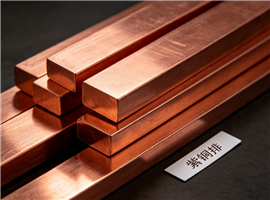
Purple copper, also known as red copper, is the elemental copper and is named after its purple red color. Various properties can be found in copper. Purple copper is an industrial pure copper with a melting point of 1083 ℃, no isotopic transformation, and
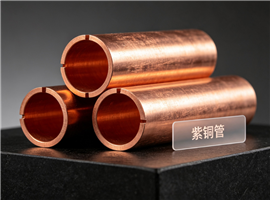
Copper tube, also known as red copper tube, is a simple substance of copper, named after its purple red color. Various properties can be found in copper. Copper tube is an industrial pure copper with a melting point of 1083 ℃, no isotopic transformation,
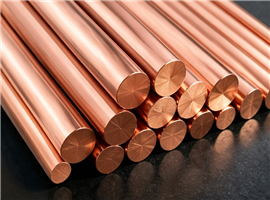
Purple copper rod, also known as red copper, is a single element of copper, named after its purple red color. Various properties can be found in copper. Purple copper is an industrial pure copper with a melting point of 1083 ℃, no isotopic transformation,
Submitted successfully! We will contact you shortly.

 Chinese
 English