 Chinese
 English
What are the uses of brass?
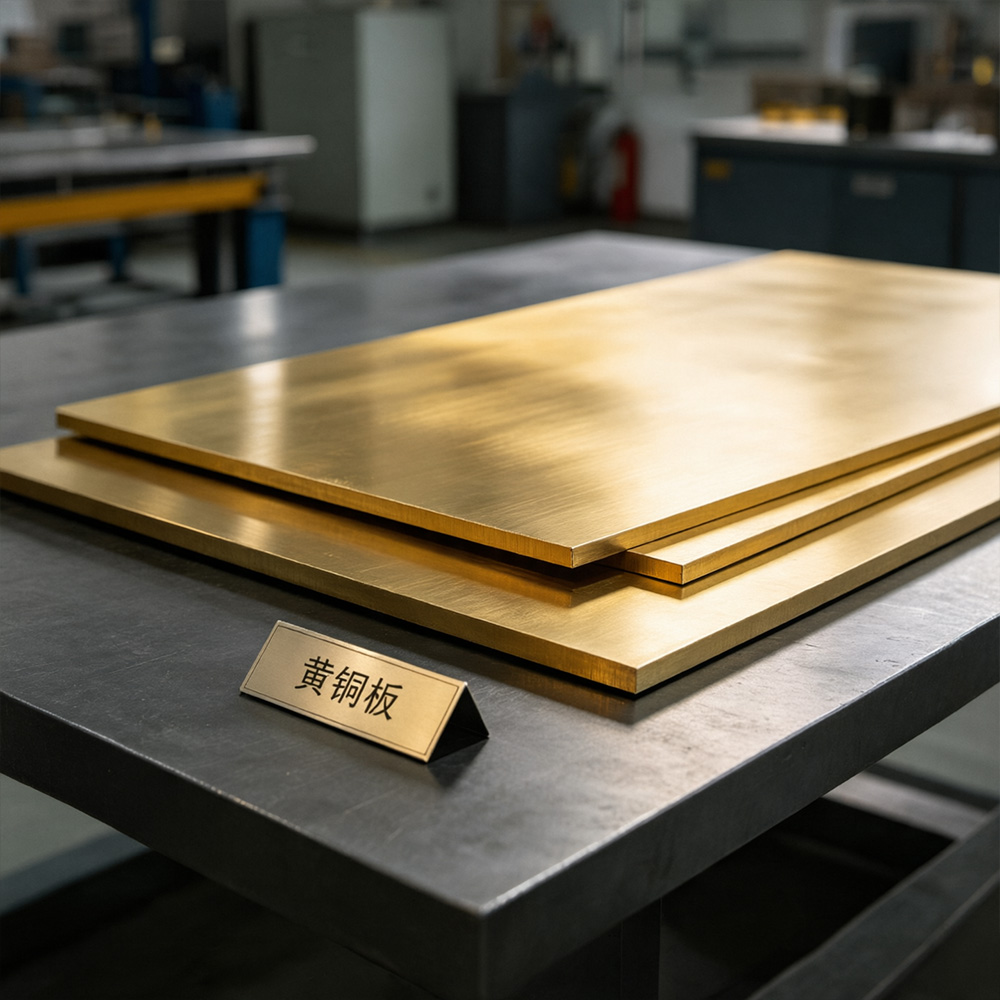
Brass is divided into ordinary brass and special brass. The alloy composed of copper and zinc is ordinary brass. If it is composed of two or more elements, it is called special brass. The price of this copper is also relatively high.
The use of brass
Brass has strong wear resistance. Special brass, also known as special brass, has high strength, high hardness, and strong chemical corrosion resistance. The cutting mechanics performance is also quite outstanding. Seamless copper pipes extracted from brass have soft quality and strong wear resistance. Seamless brass pipes can be used for heat exchangers and condensers, low-temperature pipelines, and subsea pipelines. Production of sheet metal, strip, bar, pipe, castings, etc., with copper content of 65% ≤ 70%, strong plasticity, manufacturing of pressure resistant equipment, etc. Compared to ordinary brass products, the price of copper is much higher.
Ordinary copper tube
The main results are as follows:
(1) The room temperature microstructure of ordinary brass is a copper zinc binary alloy, with significant differences in zinc content and room temperature microstructure. There are three types of brass at room temperature: brass containing less than 35% zinc, and brass composed of a single-phase alpha solid solution at room temperature, known as alpha brass.
(2) Alpha single-phase brass is prone to medium temperature brittleness during forging and other hot working processes, and its specific temperature range varies with the change of Zn content, generally between 200 ℃ and 700 ℃. Therefore, the hot working temperature should be above 700 ℃. The main reason for the mid temperature brittleness zone in single-phase alpha brass is the presence of two ordered compounds, Cu3Zn and Cu9Zn, in the alpha phase zone of the Cu Zn alloy system, which causes the alloy to become brittle when heated at medium and low temperatures. In addition, the alloy also contains trace amounts of harmful lead and bismuth impurities, forming a low melting point eutectic film distributed on the grain boundaries, which leads to intergranular fracture during hot processing. Practice has shown that adding trace amounts of cerium can effectively eliminate medium temperature brittleness. Beta brass with a zinc content of over 46% cannot be processed under pressure due to its hard and brittle properties.
(3) Due to different zinc contents, the mechanical properties of brass vary with different zinc contents. For alpha brass, both σ b and δ increase with the increase of zinc content. For (α β) brass, the strength increases at room temperature until the zinc content reaches around 45%. The room temperature plasticity of (α β) brass decreases with increasing zinc content. Therefore, copper zinc alloys with zinc content above 45% have no practical application value Copper prices are also relatively low.