 Chinese
 English
How to choose different grades of copper materials? Analysis of the application differences of commonly used industrial copper, brass, and beryllium copper
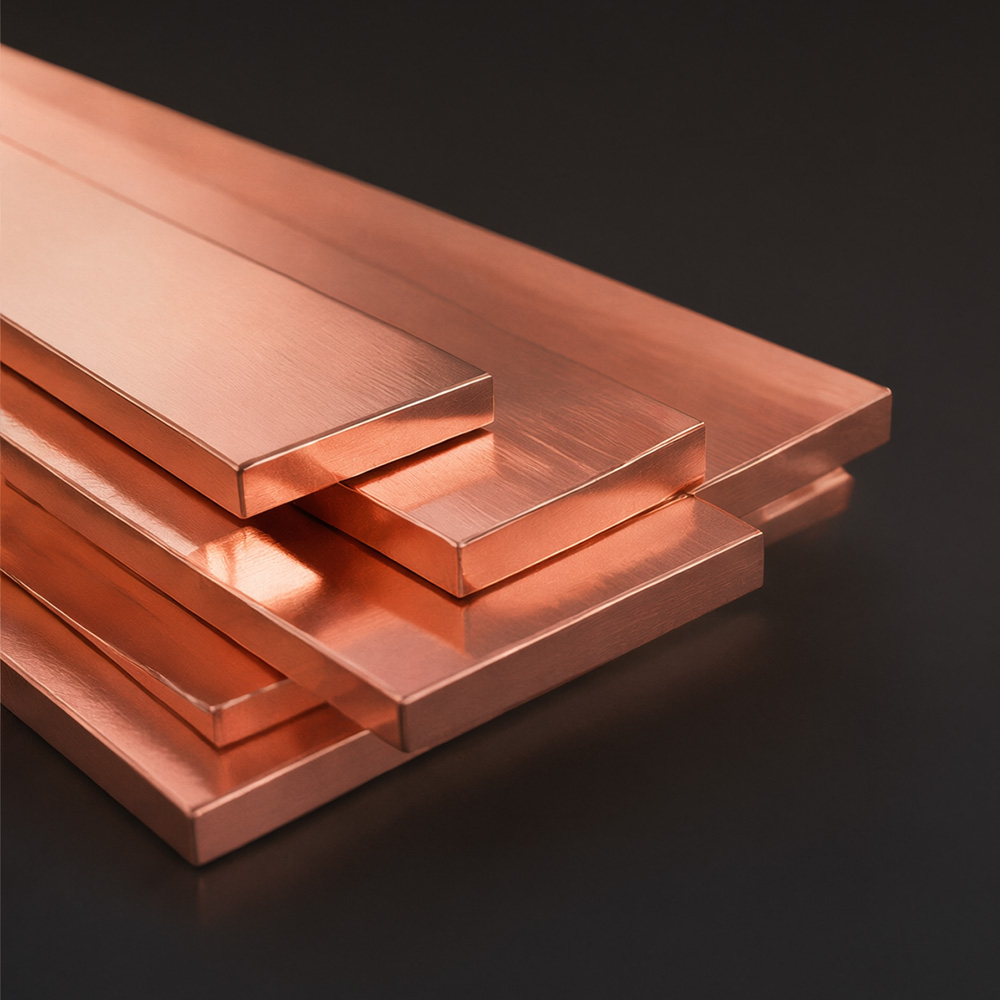
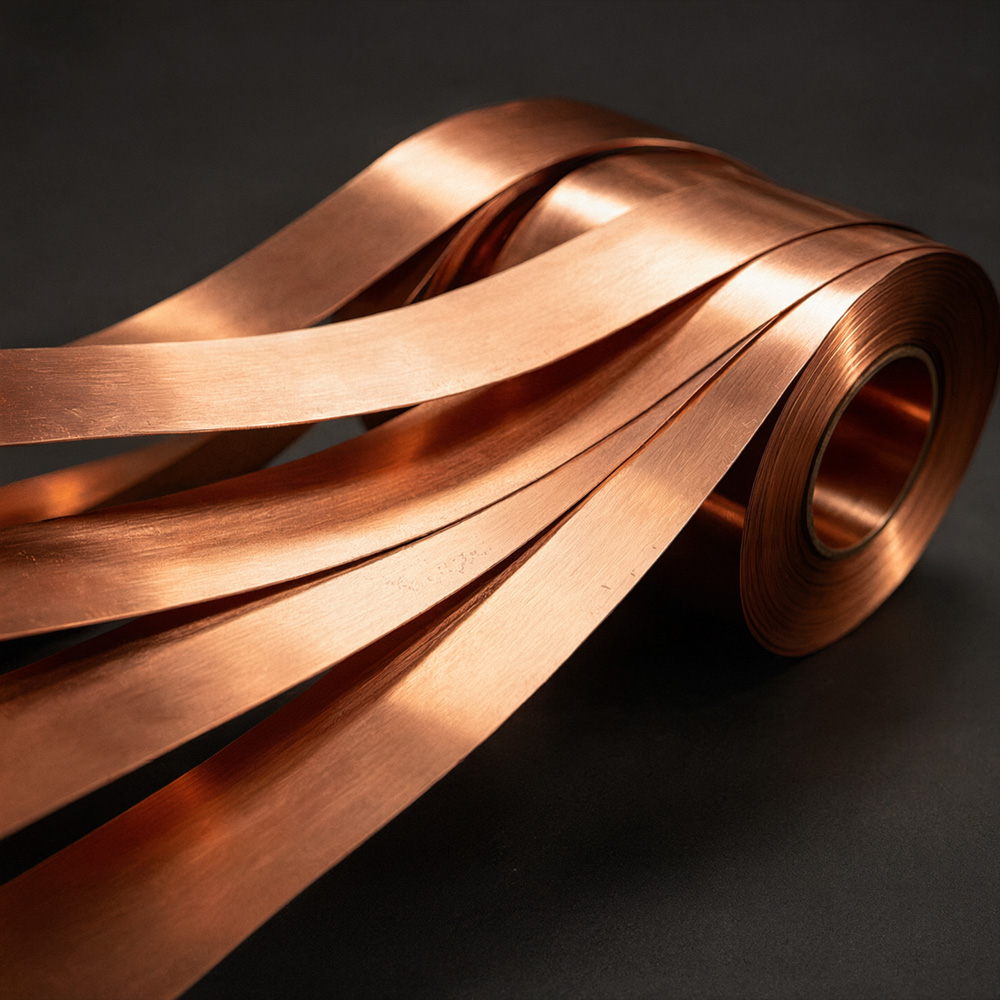
In industrial manufacturing, copper materials of different materials and grades have significant differences in performance and adaptation scenarios. Improper material selection can easily affect the product's service life and effectiveness. T2 copper has excellent conductivity and thermal conductivity, good toughness, and is easy to process. It is commonly used in electrical conductivity, heat dissipation accessories, pipeline processing, and other scenarios; Brass material has moderate hardness, is wear-resistant and rust proof, and is widely used in hardware accessories, plumbing and bathroom, and mechanical processing parts.
Beryllium copper alloy, with its advantages of high strength, high elasticity, high wear resistance, fatigue resistance, and small elastic hysteresis, has become the core material for high-end molds, spot welding electrodes, precision springs, electrical contacts, and spark free accessories; Phosphorus bronze has outstanding fatigue resistance and wear resistance, and is suitable for precision instruments, gears, conductive springs, and other products. Enterprise procurement can accurately match corresponding copper material grades based on conductivity requirements, hardness requirements, wear-resistant scenarios, and processing technology, improving product quality and cost-effectiveness.